How to Menopause: Key Insights & Takeaways from Tamsen Fadal
Master Tamsen Fadal's evidence-based framework for navigating menopause with confidence, clarity, and control over your symptoms.
by The Loxie Learning Team
What if menopause isn't something to survive but a transition to master? Tamsen Fadal's How to Menopause reframes this universal experience from a medical problem into a developmental milestone—one that, with the right knowledge and support, can lead to the most empowered phase of a woman's life. The book combines medical expertise with real women's stories to create both scientific understanding and emotional validation.
This guide breaks down Fadal's complete framework for navigating menopause with confidence. You'll understand why symptoms happen, what treatment options actually work, and how to advocate for yourself with healthcare providers. Whether you're in perimenopause, mid-transition, or supporting someone who is, you'll gain practical strategies that transform uncertainty into empowerment.
 Start practicing How to Menopause free for 7 days ▸
Why is menopause better understood as a transition than a disease?
Menopause is a natural developmental transition rather than a medical condition requiring cure. This reframing fundamentally changes how women approach their experience—shifting from feeling victimized by symptoms to taking active charge of their health journey. When you understand menopause as a transition requiring knowledge and support rather than a disease requiring treatment, you position yourself to emerge stronger and more confident.
This perspective matters because it influences everything from how you communicate with doctors to how you interpret your own symptoms. Women who view menopause as a natural process tend to seek comprehensive support systems rather than quick fixes, leading to better long-term outcomes. Fadal emphasizes that approaching menopause with understanding rather than fear becomes a gateway to unprecedented personal growth and self-knowledge.
What does estrogen actually do in your body—and why does its decline affect so much?
Estrogen influences over 400 functions in the body, extending far beyond reproduction to include bone density, cardiovascular health, brain function, and temperature regulation. This explains why menopause symptoms are so varied and seemingly unrelated—the same hormone decline affects your bones, heart, cognition, and internal thermostat simultaneously.
Understanding estrogen's widespread role helps you make sense of symptoms that might otherwise seem random or unconnected. Joint pain, memory lapses, heart palpitations, and hot flashes can all trace back to the same hormonal shift. This knowledge validates that you're not imagining connections between symptoms and supports a whole-body approach to management rather than treating each symptom in isolation. Loxie helps you retain these biological connections so you can better communicate with healthcare providers and understand your own experience.
When does perimenopause actually start—and why does timing matter?
Perimenopause can begin up to 10 years before your final period, meaning women in their late 30s and early 40s may already be experiencing hormonal fluctuations. This timeline challenges the common assumption that menopause only affects women in their 50s and explains why unexplained symptoms in younger women are often misattributed to stress or general aging.
Recognizing this earlier onset is crucial for getting appropriate care. Many women spend years being told their fatigue, mood changes, or irregular cycles are "just stress" when hormonal fluctuations are the actual cause. By understanding that perimenopause can start as early as your late 30s, you can seek proper evaluation and validation for symptoms that might otherwise be dismissed or ignored for years.
Practice these concepts in Loxie ▸
What causes hot flashes and how can you predict and prevent them?
Hot flashes occur when dropping estrogen causes your hypothalamus—the brain's temperature control center—to misread your body temperature and trigger cooling mechanisms inappropriately. This isn't random malfunction; it's a predictable response to hormonal changes that you can learn to anticipate and manage.
The key to controlling hot flashes lies in identifying your personal triggers. Common culprits include spicy foods, alcohol, caffeine, stress, and warm environments, but each woman's pattern is unique. By tracking when hot flashes occur and what preceded them, you can shift from reactive suffering to predictive management. Layered clothing, cooling fabrics, and portable fans become empowerment tools that maintain your professional presence and social confidence despite unpredictable episodes.
Practical strategies for managing hot flashes
Strategic preparation transforms hot flashes from embarrassing disruptions into manageable experiences. Dress in layers you can quickly remove, choose breathable fabrics, and keep a small fan accessible. These aren't just comfort measures—they're tools that allow you to stay engaged in important meetings, social events, and daily activities without fear of visible symptoms. Remembering these strategies when you need them most is where Loxie's spaced repetition helps—reinforcing practical knowledge so it's available in the moment.
Is menopause brain fog permanent—or is it something else entirely?
Menopause brain fog is temporary cognitive restructuring, not dementia or permanent decline. Your brain is adapting to new hormone levels, creating new pathways to maintain function during this transition. Most women report improved mental clarity and focus once they emerge from menopause, often feeling sharper than before.
This distinction matters enormously for reducing anxiety about cognitive changes. Many women fear they're experiencing irreversible mental deterioration when they're actually going through a normal adaptation process. Understanding that brain fog is temporary encourages implementing supportive strategies—detailed lists, calendar alerts, verbal repetition—as evidence of neuroplasticity in action rather than signs of weakness. These compensatory mechanisms are your brain creating new pathways, not proof of decline.
The challenge with menopause knowledge
Understanding that brain fog is temporary and that estrogen affects 400+ body functions is genuinely empowering—but only if you remember it when you're in the midst of symptoms. Loxie uses spaced repetition to help you internalize these concepts so they're available when you need reassurance and clarity.
Try Loxie free for 7 days ▸What is the 3-2-1 sleep protocol and why does it work for menopause?
The 3-2-1 sleep protocol addresses menopause-related sleep disruption through three timed interventions: no food 3 hours before bed, no work 2 hours before, and no screens 1 hour before. This structured approach targets multiple sleep disruptors simultaneously, calming both hormonal fluctuations and nervous system activation.
Each component serves a specific purpose. Avoiding food prevents blood sugar fluctuations and digestive activity that interfere with sleep onset. Stopping work allows cortisol levels to decline naturally. Eliminating screens removes blue light that suppresses melatonin production. Together, these create conditions for restorative sleep despite hormonal turbulence. Supplementing with magnesium glycinate 30 minutes before bed can further support this protocol by relaxing muscles and calming the nervous system.
How should you approach hormone replacement therapy decisions?
Hormone replacement therapy requires personalized risk-benefit analysis based on your specific health history, symptom severity, and quality of life impact—not blanket acceptance or rejection based on outdated studies. The decision isn't whether HRT is "good" or "bad" universally, but whether it's right for your individual circumstances.
This nuanced approach moves beyond the fear-based narratives that have surrounded HRT for decades. Modern evidence shows that timing matters significantly—the "window of opportunity" for starting HRT within 10 years of menopause onset maximizes cardiovascular and bone protection benefits while minimizing risks. Empowered decision-making means understanding current evidence, discussing your specific risk factors with a knowledgeable provider, and making choices based on your unique situation rather than generalized recommendations.
Understanding localized options like vaginal estrogen
Vaginal estrogen therapy delivers hormones directly to tissues without significant systemic absorption, making it safe even for women who cannot take oral HRT. This localized treatment effectively reverses the thinning and dryness that makes intimacy painful and addresses urinary symptoms, preserving sexual function and urinary health when other options are contraindicated.
Bioidentical versus synthetic hormones
Bioidentical hormones aren't automatically safer than synthetic ones—the key factors are proper dosing, delivery method, and individual monitoring. Whether a hormone structure is plant-derived or laboratory-created matters less than how it's prescribed and monitored. Avoiding marketing hype around "natural" hormones and focusing on evidence-based factors leads to better-informed treatment decisions.
Why does resistance training become essential after menopause?
Resistance training is the only proven method to prevent the 1-2% annual bone loss that accelerates after estrogen decline. Lifting weights 2-3 times weekly isn't optional for post-menopausal women—it's a targeted medical intervention that cardio alone cannot replace.
The mechanical stress of weightlifting triggers bone remodeling processes that maintain density and strength. While walking and other aerobic exercises provide cardiovascular benefits, they don't create the specific loading patterns that signal bones to rebuild. This transforms exercise from general health advice into prescription-level importance. Understanding this distinction helps women prioritize strength training alongside other forms of movement. The Mediterranean diet pattern complements this approach by providing calcium-rich foods for bone health, omega-3s for mood stability, and phytoestrogens from legumes and flax.
How do mood changes follow predictable patterns during menopause?
Menopause-related mood changes follow predictable timelines: anxiety often peaks during perimenopause when hormones fluctuate wildly, while depression more commonly appears post-menopause when levels stabilize at lower points. This pattern helps distinguish between fluctuation-induced anxiety that may resolve and low-hormone depression that may need ongoing support.
Understanding these patterns allows women and providers to anticipate and address mood symptoms appropriately. SSRIs can serve double duty during menopause, treating mood symptoms while also reducing hot flash frequency and intensity by up to 60%—offering non-hormonal relief for women managing both physical and emotional symptoms. Knowing when to expect different mood challenges enables proactive rather than reactive mental health support.
How do you find a healthcare provider who actually understands menopause?
Finding menopause-knowledgeable providers requires asking specific screening questions that reveal real expertise. Asking "What percentage of your practice is menopausal women?" and "What's your approach to HRT?" tells you more about actual expertise and treatment philosophy than credentials alone.
These questions help identify providers with genuine real-world menopause experience and balanced treatment approaches. You want to avoid both hormone-phobic doctors who dismiss HRT entirely and one-size-fits-all prescribers who recommend the same treatment regardless of individual circumstances. Documenting your symptoms with severity scores, timing patterns, and quality-of-life impact transforms vague complaints into data that demands attention and prevents dismissive responses during consultations.
How should you navigate menopause at work?
Strategic disclosure about menopause at work—sharing with HR or trusted colleagues while maintaining professional boundaries—creates support systems without compromising career advancement or inviting discrimination. This balanced approach allows access to necessary accommodations while protecting your professional reputation.
Flexible work arrangements, temperature control options, and private spaces for symptom management aren't special treatment but reasonable accommodations that maintain productivity. Framing these needs as productivity tools rather than personal favors helps normalize workplace support for menopause, benefiting both employees and organizations through retained talent and experience. The key is navigating the complex intersection of health needs and workplace dynamics with intentionality.
Start retaining what you learn ▸
What does life look like after menopause—and why is it often better?
Post-menopause isn't about "getting back to normal" but discovering a new baseline where many women report increased confidence, clearer priorities, and freedom from reproductive concerns that enables unprecedented personal growth. The transition leads to a potentially more authentic and empowered life phase rather than a decline.
The "grandmother hypothesis" in evolutionary biology suggests post-reproductive longevity evolved because menopausal women's wisdom, resources, and caregiving significantly improve their communities' survival. This scientific perspective validates the importance of post-menopausal women in human society, countering cultural narratives of declining value. Understanding menopause as a transition to this valuable life phase—rather than merely enduring symptoms—fundamentally changes how you experience the journey. Sexual desire may shift from spontaneous to responsive arousal, meaning intimacy begins with emotional connection and touch rather than sudden desire, but satisfaction can remain high with adjusted expectations.
The real challenge with How to Menopause
Reading about the 3-2-1 sleep protocol, understanding that brain fog is temporary, and learning the right questions to ask providers is genuinely valuable. But how much of this will you remember when you're lying awake at 3 AM or sitting in a doctor's office? The forgetting curve is relentless—within 24 hours, you lose up to 70% of new information. Within a week, most of what felt revelatory fades to vague impressions.
How many books have you read that felt life-changing in the moment but you can't recall three key points from today? The knowledge in How to Menopause only helps if you can access it when you need it—during symptom flares, medical appointments, or moments of doubt about what you're experiencing.
How Loxie helps you actually remember what you learn
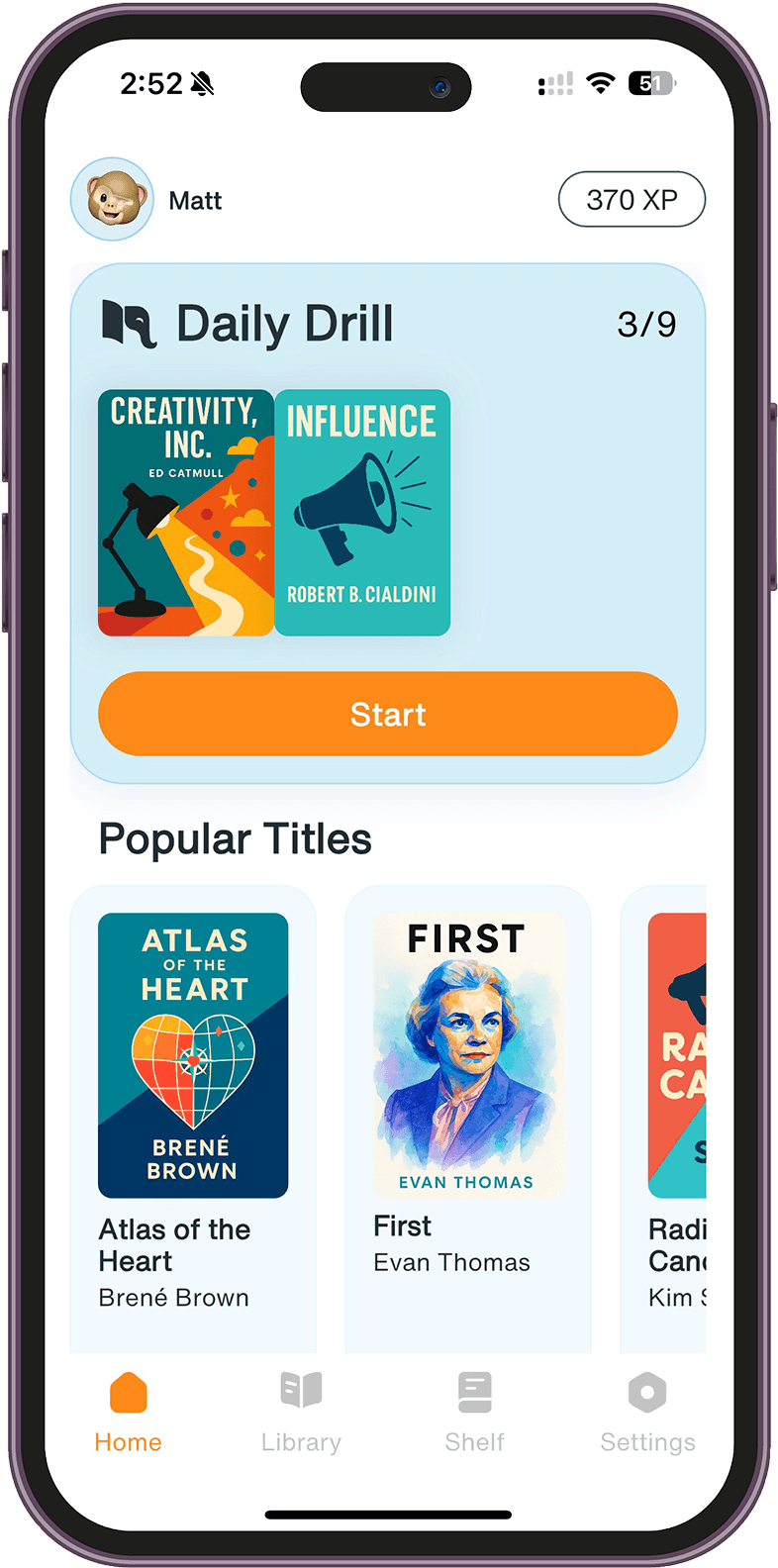
Loxie uses spaced repetition and active recall—the two most proven techniques in cognitive science—to help you retain what matters from How to Menopause. Instead of reading once and forgetting most of it, you practice for just 2 minutes a day with questions that resurface concepts right before you'd naturally forget them.
Loxie includes full access to How to Menopause content, so you can immediately start reinforcing Fadal's key frameworks: understanding estrogen's 400+ functions, the 3-2-1 sleep protocol, questions for screening providers, and the reframe that menopause is a transition to empowerment, not a disease to endure.
Health Disclaimer: This content is for educational purposes only and is not medical advice. Always consult a healthcare professional before making changes to your diet, exercise, or health routine.
Frequently Asked Questions
What is the main idea of How to Menopause?
The central message is that menopause isn't a disease to be cured but a natural transition that, with knowledge and support, can become a gateway to the most empowered phase of a woman's life. Tamsen Fadal combines medical expertise with real women's stories to help readers understand symptoms, evaluate treatment options, and emerge stronger.
What are the key takeaways from How to Menopause?
Key insights include understanding that estrogen affects 400+ body functions (explaining varied symptoms), perimenopause can start 10 years before your final period, brain fog is temporary cognitive restructuring, and HRT decisions require personalized risk-benefit analysis rather than blanket acceptance or rejection.
What is the 3-2-1 sleep protocol for menopause?
The 3-2-1 protocol addresses menopause sleep disruption through timed interventions: no food 3 hours before bed (prevents blood sugar fluctuations), no work 2 hours before (allows cortisol to decline), and no screens 1 hour before (preserves melatonin production). This targets multiple sleep disruptors simultaneously.
When does perimenopause actually start?
Perimenopause can begin up to 10 years before your final period, meaning women in their late 30s and early 40s may already be experiencing hormonal fluctuations. This earlier timeline challenges the assumption that menopause only affects women in their 50s and explains why younger women's symptoms are often dismissed as stress.
Is hormone replacement therapy safe during menopause?
HRT safety depends on individual factors including health history, symptom severity, and timing. The "window of opportunity" for starting HRT within 10 years of menopause onset maximizes cardiovascular and bone benefits while minimizing risks. Decisions should be personalized rather than based on generalized recommendations.
How can Loxie help me remember what I learned from How to Menopause?
Loxie uses spaced repetition and active recall to help you retain key concepts from How to Menopause. Instead of reading once and forgetting most of it, you practice for 2 minutes a day with questions that resurface ideas right before you'd naturally forget them. Loxie includes How to Menopause in its full topic library.
We're an Amazon Associate. If you buy a book through our links, we earn a small commission at no extra cost to you.
Stop forgetting what you learn.
Start learning for good with your 7-day FREE trial.