Mastering Common Concerns: Key Concepts & What You Need to Know
Learn to transform buyer hesitations into forward motion with frameworks for handling price, timing, trust, need, and authority objections naturally.
by The Loxie Learning Team
Every buyer you'll ever encounter shares the same five hesitations: price, timing, trust, need, and authority. These aren't random roadblocks—they're predictable patterns that skilled salespeople learn to navigate with thoughtful responses that feel natural rather than scripted. The difference between deals won and lost often comes down to how well you handle these universal concerns.
This guide breaks down the frameworks and techniques for mastering common sales objections. You'll learn why objections are actually buying signals in disguise, how to reframe defensive statements into collaborative problem-solving, and how to distinguish between genuine barriers and negotiation tactics. Most importantly, you'll discover why the concern a buyer states first is rarely the concern you actually need to address.
 Start practicing objection handling ▸
What does "too expensive" really mean when a buyer says it?
Price objections like "too expensive" often mask value perception gaps rather than actual budget constraints. When prospects can't connect your solution's capabilities to their specific business outcomes, price becomes the default objection because saying "we can't afford it" is easier than admitting "I don't understand the value." This insight transforms how you should approach every price conversation.
Instead of immediately offering discounts or payment plans, skilled sellers probe for value understanding with questions like "Help me understand what you're comparing this investment against?" or "What would need to be true about the ROI for this to make sense?" These questions uncover whether the issue is truly budget or lack of perceived value, allowing targeted response rather than blind concession.
The fear of making the wrong decision drives many price objections as well. Buyers worry about career damage from overspending or choosing poorly, so "it's too expensive" becomes a safe delay tactic that avoids commitment while maintaining the option to revisit later. Recognizing decision fear behind price concerns shifts the conversation from price justification to risk mitigation.
Why do timing objections like "not the right time" keep appearing?
Timing objections like "not the right time" or "need to wait until next quarter" frequently conceal insufficient problem awareness. When prospects don't feel enough pain from their current situation, any time feels too soon because the cost of change appears higher than the cost of status quo. This reveals why feature demonstrations rarely overcome timing objections—you're solving for the wrong issue.
Effective sellers respond to timing concerns by amplifying problem awareness rather than pushing urgency. Questions like "What's happening between now and next quarter that would make this more urgent?" or "What's the impact of waiting another 90 days?" help prospects calculate the cost of delay versus the cost of action. Often, "not now" really means "not painful enough yet."
Implementation disruption fear also hides behind timing objections. "Too busy right now" often means "scared of the chaos that comes with change," especially when prospects have experienced failed implementations before. Instead of pushing urgency, address the underlying concern: "What would need to be true about our implementation approach for this to feel manageable?"
Practice these frameworks in Loxie ▸
How do trust concerns manifest and what should you do about them?
Trust concerns manifest through reference requests, stability questions, and capability doubts. These surface when buyers need social proof that others like them succeeded with your solution, revealing that trust isn't built through claims but through evidence of similar successes. When a buyer asks "Can you handle our scale?" or "Do you have references in our industry?" they're not asking for more features—they're asking for risk mitigation.
Rather than defending capabilities or making promises, provide specific evidence: "Let me connect you with the CFO at a similar company who had the same concerns" or "Here's the case study from your industry showing the 90-day implementation timeline." Trust concerns are requests for peer validation, and the most powerful response is connecting them with someone who's already walked the path they're considering.
Strategic vulnerability in sharing failures can actually build trust more effectively than polished success stories. Admitting "We struggled with one implementation because we underestimated their complexity—here's how we've changed our approach" demonstrates learning capability and honesty that perfect track record claims never achieve.
What's the difference between "we're fine with our current solution" and genuine satisfaction?
Need concerns like "we're fine with our current solution" indicate either genuine satisfaction, lack of problem awareness, or insufficient pain amplification during discovery. Distinguishing between these requires testing their satisfaction claim with specific capability gaps their current solution can't address. Don't take "we're happy" at face value.
Test satisfaction by asking: "How does your current solution handle [specific advanced capability]?" or "What would your ideal solution do that your current one doesn't?" Genuine satisfaction produces specific positive responses about what's working well. Hidden dissatisfaction reveals frustrations and workarounds they've accepted as normal—things they didn't realize were problems until you asked.
The difference matters because truly satisfied prospects shouldn't be pursued, while prospects who've normalized problems represent significant opportunities. Skilled sellers know that many buyers don't realize how much pain they're in until someone helps them see their situation clearly.
The challenge with mastering objection handling
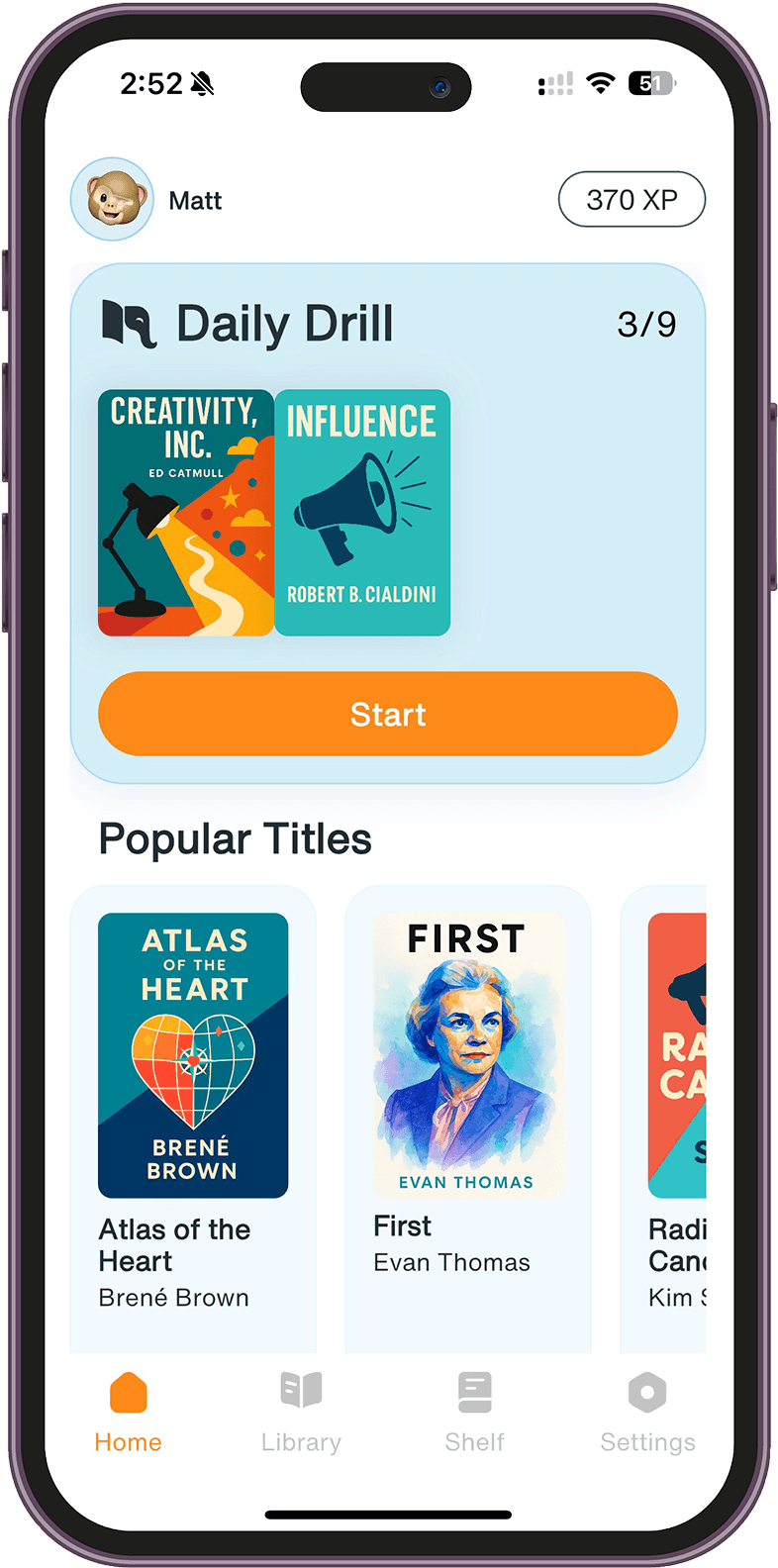
Understanding these frameworks intellectually is easy. Having them available in the moment when a buyer pushes back is entirely different. Loxie helps you internalize these response patterns through spaced repetition, so they're ready when you need them.
Build lasting sales skills ▸How should you respond when someone says "I need to check with my boss"?
Authority concerns like "I need to check with my boss" signal either genuine decision process, lack of champion commitment, or incomplete stakeholder mapping. Each requires a different response ranging from enabling your champion to expanding your relationship network within the account. Diagnosing which dynamic you're facing prevents deal stagnation.
Test with: "What would help you get buy-in from your boss?" The response reveals everything. Genuine process needs result in requests for support materials like ROI summaries or executive presentations. Weak champions need confidence building and may reveal they're not actually sold themselves. Incomplete mapping surfaces other stakeholders who need direct engagement.
When non-technical buyers suddenly raise detailed technical objections, IT has likely raised concerns behind the scenes. Ask: "Who's helping you evaluate the technical aspects?" This surfaces hidden influencers who need direct engagement rather than trying to make your sales contact a technical expert.
What is the reframing technique and how does it transform objections?
Reframing transforms defensive objections into collaborative problem-solving by converting statements like "too expensive" into exploratory questions like "help me understand what you're comparing this investment against." This shifts the dynamic from seller defending price to buyer explaining their evaluation criteria—a fundamentally different conversation.
The power of reframing lies in changing the conversation's emotional tone. When sellers defend, buyers attack; when sellers explore, buyers explain. Questions feel less threatening than statements, and people prefer explaining their position to defending against arguments. Reframing makes the buyer the expert explaining their world rather than the target of persuasion.
Effective reframing follows a three-step mental process: hear the surface objection, identify the underlying concern category, then formulate a question that explores rather than challenges. This pause prevents the instinctive defend-and-convince response that triggers buyer resistance.
What is the pause-and-probe technique for uncovering real concerns?
The pause-and-probe technique creates space after an objection to ask "when you say X, what specifically concerns you?" This prevents premature responses to surface objections and uncovers the real worry. First-stated objections often mask deeper concerns about risk, change, or internal politics that the buyer isn't comfortable expressing directly.
Pausing serves multiple purposes: it demonstrates you're listening rather than waiting to counter, it prevents misdiagnosing the real concern, and it often prompts buyers to elaborate without prompting. The specific question "what specifically concerns you?" invites detailed explanation rather than yes/no responses, revealing whether "too expensive" means "no budget," "not worth it," or "boss won't approve."
Permission-based exploration using phrases like "would it be helpful if we explored..." or "can we dig into that together?" transforms confrontation into collaboration. This approach reduces buyer defensiveness because asking permission gives them control while still moving the conversation forward.
How can you tell the difference between genuine barriers and negotiation tactics?
Genuine barriers show three consistent patterns: they remain unchanged across multiple conversations, involve specific operational constraints like "our servers can't support cloud solutions," and persist despite value demonstration. These require solution adaptation, timeline adjustment, or walking away rather than better selling. Pushing against real constraints damages trust.
Negotiation tactics, by contrast, appear late in the sales process after value agreement, shift between different concerns from meeting to meeting, and intensify as decisions approach. These actually signal buying interest and desire for better terms rather than true obstacles. Buyers don't negotiate hard for things they don't want—intensifying objections often precede signatures, not exits.
Testing objection authenticity through "hypothetical removal" questions like "if we could solve X, would you be ready to move forward?" reveals the truth. When you ask "If we could match the competitor's price, would you sign today?" genuine barriers prompt new objections while negotiation tactics lead to qualified agreement.
What is the acknowledge-explore-respond framework?
The acknowledge-explore-respond framework prevents defensive reactions by following a three-step sequence: validate the concern ("I understand price is important"), explore context ("help me understand your budget process"), then address the real issue revealed. This creates psychological safety before problem-solving begins.
Skipping straight to response ("Let me tell you why we're worth it") triggers defensiveness because the buyer doesn't feel heard. The framework works because it respects the emotional before addressing the logical. Acknowledgment shows you heard them, exploration reveals the real issue, and only then does response become effective.
Effective acknowledgment requires specificity—saying "I understand that's important to you" feels generic while "I understand getting budget approval in Q4 is challenging with year-end constraints" shows genuine listening and earns the right to explore further.
How do you isolate concerns to prevent objection stacking?
Isolating concerns through "other than X, is there anything else preventing us from moving forward?" prevents concern stacking and identifies whether you're dealing with a single issue or multiple hesitations. This clarity enables focused problem-solving rather than playing objection whack-a-mole.
Isolation serves two purposes: it prevents buyers from hiding behind a series of objections, and it creates commitment that solving the stated issue enables progress. When buyers confirm "price is the only issue," they've psychologically committed to moving forward if price is resolved. This technique also reveals when buyers are using rolling objections to avoid saying no directly.
Shifting objections between meetings—price concerns becoming feature concerns becoming timing concerns—indicate the stated objection isn't real but rather a moving target to avoid confronting the actual issue, often internal politics or career risk.
How do you recognize false concerns and what's really behind them?
False concerns reveal themselves through vague language like "it's just not right" or "something doesn't feel good," shifting reasons between conversations, and emotional rather than logical foundations. These require deeper discovery using feeling-based questions like "what would need to change for this to feel right?"
Vagueness indicates emotional rather than logical objections. When buyers can't articulate specific issues, they're often processing fear, uncertainty, or political concerns they're not comfortable expressing. The response isn't logical argument but emotional exploration: "Help me understand what's creating that feeling" opens doors that "Let me show you more features" never could.
Career risk concerns hide behind technical objections. When buyers fear implementation failure will damage their reputation, they state "your solution won't integrate" or "this seems too complex" rather than admitting "I'm afraid of looking bad if this fails." Address the underlying fear: "What would need to happen during implementation for you to feel confident?"
How do you maintain composure when facing hostile objections?
Reframing hostility as fear or frustration rather than personal attack enables empathetic response. Aggressive objections often indicate high stakes, past vendor disappointments, or pressure from above. Recognizing these root causes helps maintain compassion instead of becoming defensive.
When a buyer says "You salespeople are all the same—making promises you can't keep," hearing fear of being burned again rather than personal insult enables response like: "It sounds like you've had disappointing experiences. What happened?" This empathy often defuses hostility and reveals specific concerns you can address with concrete evidence.
Physiological composure techniques prevent emotional hijacking when facing hostile objections. Deep breathing to slow heart rate, relaxed shoulders to reduce tension, and measured speech pace maintain professional presence under pressure. The body drives the mind during confrontation—controlling physiology maintains cognitive function.
When composure breaks and defensive responses emerge, calling tactical timeout prevents relationship damage. Saying "Let me think about this and follow up tomorrow" creates space for emotional reset and strategic response rather than reactive statements you'll regret.
Why are objections actually buying signals in disguise?
Objections indicate engagement because buyers who don't care don't object—they simply disengage. Concerns about price, timing, or features suggest active evaluation and desire to find a path forward, making objections positive signals rather than rejection indicators.
When prospects raise objections, they're investing mental energy in evaluating your solution. Complete silence or polite disinterest is far worse than vigorous objection. Objections mean they're imagining implementation, considering budget allocation, or thinking about stakeholder reactions—all signs of genuine interest disguised as resistance.
Converting objection energy into forward momentum uses phrases like "that's exactly why we should discuss this further" or "your concern shows you're taking this seriously." This linguistic judo uses the buyer's resistance energy to move deals forward rather than fighting against it.
The real challenge with mastering common concerns
Understanding objection handling frameworks intellectually is straightforward. Knowing that price objections often mask value gaps, that timing concerns hide problem awareness issues, and that hostility signals fear makes perfect sense while reading. But when a buyer pushes back in a real conversation, will these frameworks be available to you?
Research on the forgetting curve shows we lose roughly 70% of new information within 24 hours without reinforcement. That reframing technique you just learned? That pause-and-probe approach? The acknowledge-explore-respond framework? Without practice, they'll fade before your next sales call. And reading this guide again won't solve the problem—passive review doesn't build the retrieval strength you need.
How Loxie helps you actually remember objection handling techniques
Loxie uses spaced repetition and active recall to help you internalize these objection handling frameworks so they're available when you need them. Instead of reading once and forgetting most of it, you practice for just 2 minutes a day with questions that resurface techniques right before you'd naturally forget them.
Active recall—being quizzed on concepts rather than reviewing them—creates the neural pathways that make knowledge accessible under pressure. When a buyer says "too expensive" in a real conversation, you need the value perception gap insight and the reframing technique to surface automatically, not require conscious reconstruction.
Loxie includes objection handling and sales techniques in its full topic library, so you can start reinforcing these concepts immediately. Because mastering common concerns isn't about understanding them—it's about having them ready when every deal depends on your response.
Frequently Asked Questions
What are the five common buyer concerns in sales?
The five universal buyer concerns are price ("too expensive"), timing ("not the right time"), trust ("can you really deliver?"), need ("we're fine with our current solution"), and authority ("I need to check with my boss"). Every buyer you encounter shares these same hesitations, making them predictable patterns you can learn to navigate.
Why do price objections often mask value perception gaps?
When prospects can't connect your solution's capabilities to their specific business outcomes, price becomes the default objection because saying "we can't afford it" is easier than admitting "I don't understand the value." This is why discounts rarely solve price objections—the real issue is helping buyers see how your solution creates outcomes worth the investment.
What is the acknowledge-explore-respond framework?
The acknowledge-explore-respond framework is a three-step sequence for handling objections: first validate the concern ("I understand price is important"), then explore context ("help me understand your budget process"), then address the real issue revealed. This creates psychological safety before problem-solving and prevents defensive reactions from either party.
How can you tell if an objection is genuine or a negotiation tactic?
Genuine barriers remain unchanged across multiple conversations, involve specific operational constraints, and persist despite value demonstration. Negotiation tactics appear late in the process after value agreement, shift between different concerns meeting to meeting, and intensify as decisions approach. Buyers don't negotiate hard for things they don't want.
Why are objections considered buying signals?
Buyers who don't care don't object—they simply disengage. When prospects raise concerns about price, timing, or features, they're investing mental energy in evaluating your solution. This means they're imagining implementation, considering budget allocation, or thinking about stakeholder reactions—all signs of genuine interest disguised as resistance.
How can Loxie help me master objection handling?
Loxie uses spaced repetition and active recall to help you internalize objection handling frameworks so they're available when you need them. Instead of reading once and forgetting, you practice for 2 minutes a day with questions that resurface techniques right before you'd naturally forget them. Loxie includes sales techniques in its full topic library.
Stop forgetting what you learn.
Start learning for good with your 7-day FREE trial.