Best Apps for Lifelong Learners in 2026
You never stopped wanting to learn. These apps help you actually retain it.
Matthew Metzger

Former Fortune 200 VP of Learning
The Challenge
Lifelong Learning Has a Retention Problem
The best apps for lifelong learners include Loxie for retention, Blinkist for book summaries, Coursera for courses, podcasts for passive learning, and Duolingo for languages.
Lifelong learners have more options than ever - but most apps share the same flaw: they help you consume without helping you remember. After a month, most of what you learned fades (which is why Loxie, focused specifically on retention, is our top pick).
This guide covers how to build a learning stack that sticks.
Top Pick
Loxie – Best App for Lifelong Learners Who Want to Remember
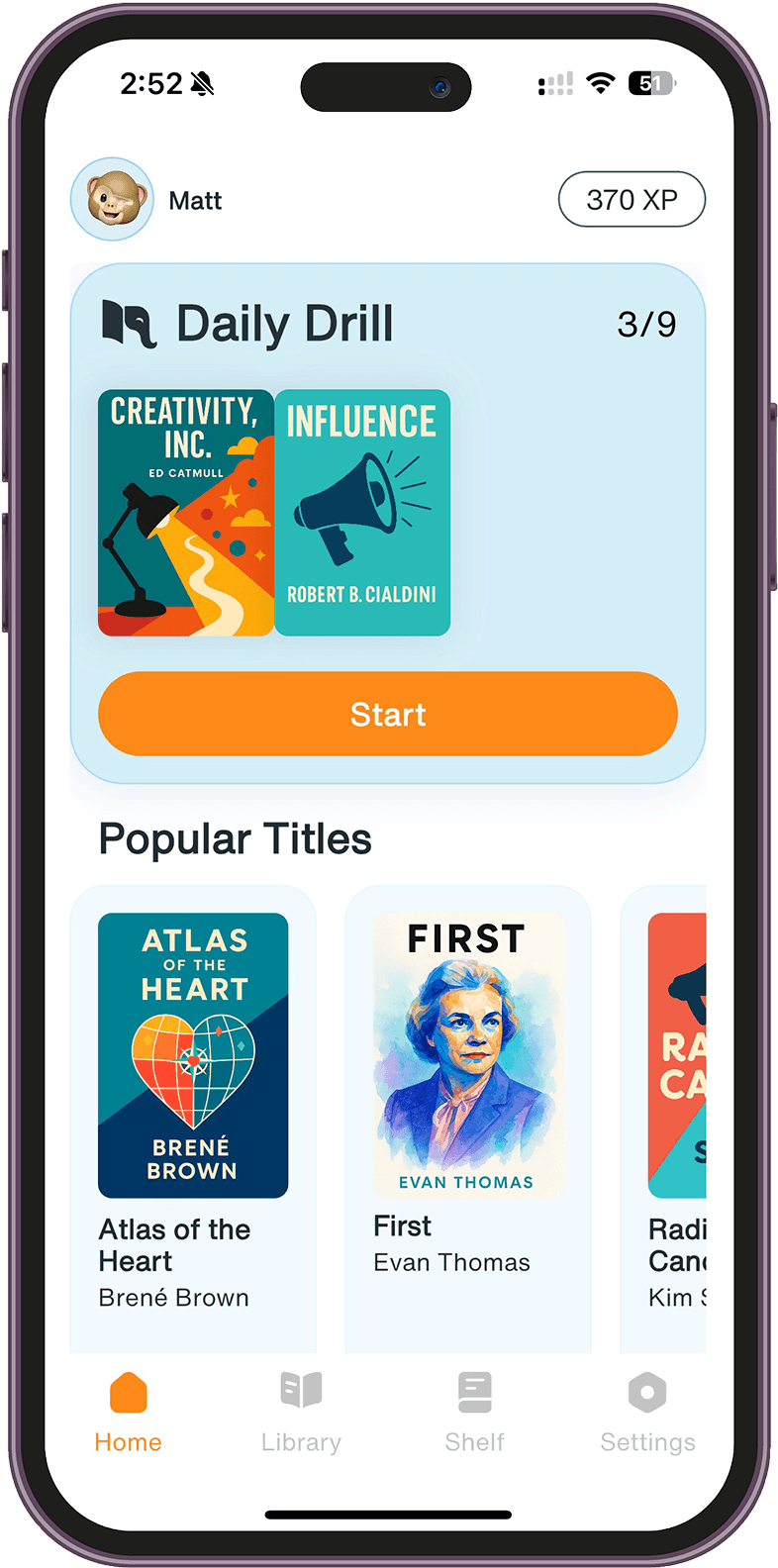
What it is: Loxie is a learning and retention app built for curious people who learn across many topics. It combines free learning content (8-10 minute video overviews, 30-45 minute podcast deep dives, written summaries) with spaced repetition drills that help you actually remember.
How it works: Browse the catalogue across categories – business, health, history, hobbies, religion, science, self-help, and more. Explore topics through free learning content, then add them to your shelf. Loxie serves daily questions that strengthen memory at optimal intervals.
What makes it different: Most learning apps focus on consumption. Loxie focuses on retention. You can explore broadly through the free content, then lock in the topics that matter most through daily practice. No flashcard creation required.
Limitations: The catalogue covers hundreds of books and topics rather than thousands. Check the current catalogue to see what's available. New content is added regularly across all categories.
Best for: Curious people who learn across many subjects. Readers who want to remember what they've read. Anyone tired of consuming great content and forgetting it weeks later.
Pricing: All learning content is free. Retention drills are free for 7 days, then Pro ($59.99/year or $7.99/month)* for unlimited drills and advanced features.
Try it: loxie.app
For Book Summaries
Blinkist – Best for Quick Exposure to Many Ideas
What it is: Blinkist offers 15-minute summaries of popular nonfiction books in text and audio format. Great for lifelong learners who want broad exposure.
How it works: Browse the library (7,000+ titles), pick a topic that interests you, and read or listen to the summary. Each "Blink" distills a book into key ideas.
What makes it different: Massive library covering nearly every popular nonfiction title. Audio format works well for commutes. Quick way to explore new subjects.
Limitations: Summaries are consumption, not retention. You'll forget them just as fast as you'd forget the full book. No tools to help you remember what you've consumed.
Best for: Lifelong learners who want quick exposure to many topics. People deciding which books are worth reading in full.
Pricing: Premium $99.99/year ($8.33/month).*
For Online Courses
Coursera / Udemy – Best for Structured Learning
What it is: Online course platforms offering classes from universities (Coursera) and independent instructors (Udemy) on virtually any subject.
How it works: Browse courses, enroll (free or paid), and work through video lectures, readings, and assignments at your own pace. Some courses offer certificates.
What makes it different: Structured curriculum with clear progression. Coursera partners with top universities; Udemy has massive breadth of topics. Good for subjects that benefit from step-by-step instruction.
Limitations: Courses take significant time to complete. Completion rates are notoriously low. And even completed courses face the forgetting curve – without ongoing review, you'll lose most of what you learned.
Best for: Lifelong learners who want structured, in-depth education on specific subjects. Those pursuing certificates or credentials.
Pricing: Coursera has free courses; Coursera Plus is ~$59/month. Udemy courses typically $15-200 each (frequent sales).*
For Podcasts
Podcast Apps – Best for Passive Learning
What it is: Apps like Spotify, Apple Podcasts, and Pocket Casts give you access to millions of podcasts covering every topic imaginable.
How it works: Search for topics that interest you, subscribe to shows, and listen while commuting, exercising, or doing chores.
What makes it different: Endless free content. Great for turning otherwise unproductive time into learning time. Many podcasts feature experts and authors sharing insights you won't find elsewhere.
Limitations: Podcasts are passive consumption. You're not actively engaging with the material, so retention is minimal. Good for exposure and inspiration; less effective for building lasting knowledge.
Best for: Lifelong learners who want to learn during commutes or workouts. People who enjoy hearing experts discuss topics conversationally.
Pricing: Free (ad-supported). Premium tiers available on some platforms.
For Languages
Duolingo – Best for Language Learning Habits
What it is: Duolingo is a gamified language learning app that uses bite-sized lessons, streaks, and achievements to build daily practice habits.
How it works: Choose a language, complete daily lessons (5-15 minutes), and build a streak. The app uses spaced repetition and gamification to keep you coming back.
What makes it different: Exceptional at habit formation. The streak system motivates daily practice. Free tier is genuinely usable. Fun, low-pressure way to start learning a language.
Limitations: Better for building habits than achieving fluency. The gamification can prioritize engagement over actual learning. For serious language learning, you'll eventually need additional resources.
Best for: Lifelong learners curious about languages. People who want to build a daily learning habit. Those looking for an accessible starting point.
Pricing: Free tier available. Super Duolingo ~$12.99/month or ~$83.99/year.*
The Verdict
Which Apps Should Lifelong Learners Use?
Most lifelong learners need multiple tools for different purposes:
For retention (the missing piece): Loxie. Free content for exploration, daily drills for memory. The only app on this list specifically designed to help you remember what you learn.
For broad book exposure: Blinkist or Loxie's free content. Quick overviews of many topics.
For structured, deep learning: Coursera or Udemy. When you want comprehensive education on a specific subject.
For passive learning: Podcasts. Turn commutes and workouts into learning time.
For language learning: Duolingo. Best for building the daily habit.
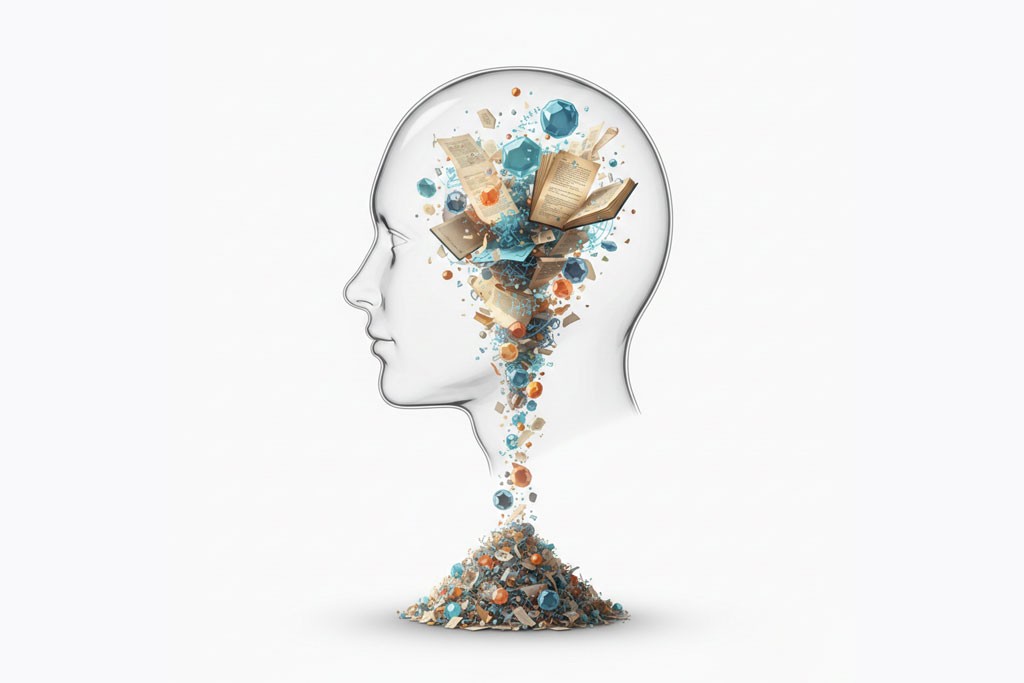
Here's the uncomfortable truth for lifelong learners: consuming more doesn't mean retaining more. You can read 50 books a year, listen to hundreds of podcast hours, and complete multiple courses – and still forget 90% of it.
The missing piece isn't more consumption. It's retention. Adding even a few minutes of active recall practice per day changes the equation. You stop losing what you've invested time to learn.
FAQ
Frequently Asked Questions
What's the best app for lifelong learners? It depends on your goal. For retention, Loxie. For broad exposure, Blinkist or podcasts. For deep structured learning, Coursera. For languages, Duolingo. Most lifelong learners benefit from combining tools.
How do I remember more of what I learn? Use active recall – test yourself on material rather than just consuming it. Apps like Loxie automate this with daily questions. Even without an app, closing a book and trying to recall key points is more effective than re-reading.
Is it possible to learn too many things at once? Yes and no. Exploring broadly is fine; trying to deeply retain everything simultaneously isn't realistic. Focus retention efforts on the topics that matter most. Use consumption tools (podcasts, summaries) for casual exploration.
How much time should I spend on learning each day? Quality beats quantity. Fifteen minutes of active recall practice builds more lasting knowledge than hours of passive consumption. Consistency matters more than duration – daily short sessions beat weekly long ones.
What's the difference between consumption and retention? Consumption is taking in information (reading, listening, watching). Retention is keeping that information accessible in memory over time. Most learning apps focus on consumption. Very few address retention.
Can I use Loxie for topics I've already learned about? Yes. If you've read a book or studied a topic before, Loxie helps you retain it long-term. The daily drills resurface key concepts before you forget them – even for material you learned months or years ago.
What if Loxie doesn't have a topic I'm interested in? Check the current catalogue – new content is added regularly across all categories. For topics not yet covered, Anki lets you build your own retention system (though it requires more work).
*App prices change frequently and may vary by region or promotional offers. We've included approximate pricing to help you compare, but always check the official app or website for current rates before subscribing.